Plywood vs OSB vs MDF: Which Sheet Material Should You Choose?
When you're buying sheet materials for a building, renovation, joinery or DIY project, three products you're likely to come across are plywood, OSB and MDF.
Although all three are manufactured wood-based sheet materials, they have very different properties and are suited to different applications.
So, which is better: plywood, OSB or MDF?
The answer depends entirely on what you're building.
In this guide, we'll explain the differences between plywood, OSB and MDF, including their strengths, common uses, advantages and limitations.
What Is Plywood?
Plywood is manufactured by bonding multiple layers, or "plies", of wood veneer together. The direction of the grain is generally alternated between layers, creating a strong and stable sheet material.
Plywood is widely used for both construction and woodworking applications.
Common uses include:
-
Flooring
-
Roofing
-
Wall sheathing
-
Joinery
-
Furniture
-
Shelving
-
General construction
-
DIY projects
One of the main advantages of plywood is its combination of strength and versatility.
Different grades and types of plywood are available, so it's important to select a product suitable for your intended application.
What Is OSB?
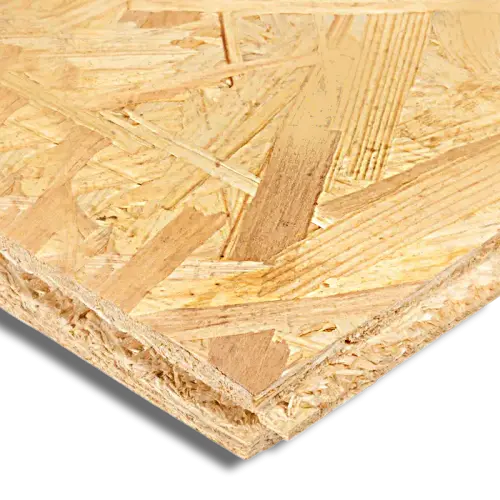
OSB stands for Oriented Strand Board.
It is manufactured using strands of wood that are arranged in layers and bonded together with adhesive under pressure.
OSB is a popular sheet material for construction because it offers good strength while often being a cost-effective alternative to plywood.
Common applications include:
-
Roofing
-
Flooring
-
Wall sheathing
-
Structural panels
-
General construction
-
Temporary structures
-
DIY projects
EpicCentre Supply stocks OSB sheet materials, including OSB3 boards. OSB3 is designed for use in humid conditions, although the exact suitability of any product should always be checked against the manufacturer's specification and the requirements of the project.
What Is MDF?
MDF stands for Medium Density Fibreboard.
Unlike plywood and OSB, which are made using layers or strands of wood, MDF is manufactured from wood fibres combined with resin and compressed into a dense, smooth board.
The result is a very smooth and consistent surface.
MDF is particularly popular for interior applications such as:
-
Shelving
-
Cabinets
-
Furniture
-
Skirting boards
-
Architraves
-
Decorative panels
-
Painted joinery
-
DIY projects
Its smooth surface makes MDF particularly suitable for projects where the board will be painted or finished.
Plywood vs OSB vs MDF: What's the Difference?
The easiest way to compare these three materials is to consider what you need the board to do.
Plywood
Best for: Strength, structural applications and general-purpose construction.
Plywood is a versatile option when you need a strong and relatively lightweight sheet material.
It can be particularly useful for construction, furniture and applications where strength and durability are important.
OSB
Best for: Cost-effective structural applications.
OSB is often chosen for construction projects where a strong, economical sheet material is required.
It is particularly common in roofing, flooring and wall applications.
MDF
Best for: Interior joinery and smooth painted finishes.
MDF is an excellent option when appearance and surface finish are more important than structural strength.
Its smooth, consistent surface makes it particularly easy to paint and finish.
Plywood vs OSB
One of the most common questions is whether plywood or OSB is better.
Neither is automatically better — they simply suit different requirements.
Plywood is often preferred where strength, weight and versatility are important.
OSB can be an economical alternative for many structural applications and is widely used throughout construction.
Your choice should depend on the specification of the project, the environment and the required performance of the board.
OSB vs MDF
OSB and MDF are also very different products.
OSB is primarily associated with construction and structural applications, while MDF is more commonly used for interior joinery and decorative projects.
If you're constructing a wall or roof structure, OSB may be the more appropriate choice.
If you're making a painted shelving unit, cabinet or decorative feature, MDF may be more suitable.
What Thickness of Sheet Material Do I Need?
Sheet materials are available in different thicknesses, and the correct thickness depends on how the material will be used.
For example, a board being used for a decorative interior panel may have very different requirements from one being used as part of a structural floor or roof system.
Don't choose a sheet simply because it is thicker.
Always consider:
-
The intended application
-
The span
-
The load
-
How the board will be supported
-
Environmental conditions
-
Manufacturer recommendations
-
Any relevant building requirements
For structural applications, professional advice may be required.
How Do You Choose the Right Sheet Material?
A simple way to narrow down your options is to start with the purpose of the project.
Need a strong, versatile sheet? Consider plywood.
Need an economical structural board? OSB may be suitable.
Need a smooth board for interior joinery or painting? MDF is often a good choice.
EpicCentre Supply stocks a range of sheet materials, including plywood, OSB sheets and MDF sheets, making it easier to source the materials you need for different stages of your project.
Buy Plywood, OSB & MDF From EpicCentre Supply
Choosing the correct sheet material can save time, reduce waste and help ensure your finished project performs as intended.
Whether you're working on a construction project, renovation, furniture project or DIY job, EpicCentre Supply can help you find the right sheet material for the application.
Explore the EpicCentre Supply range of plywood, OSB and MDF sheet materials, or contact the team if you're unsure which product is best suited to your project.